
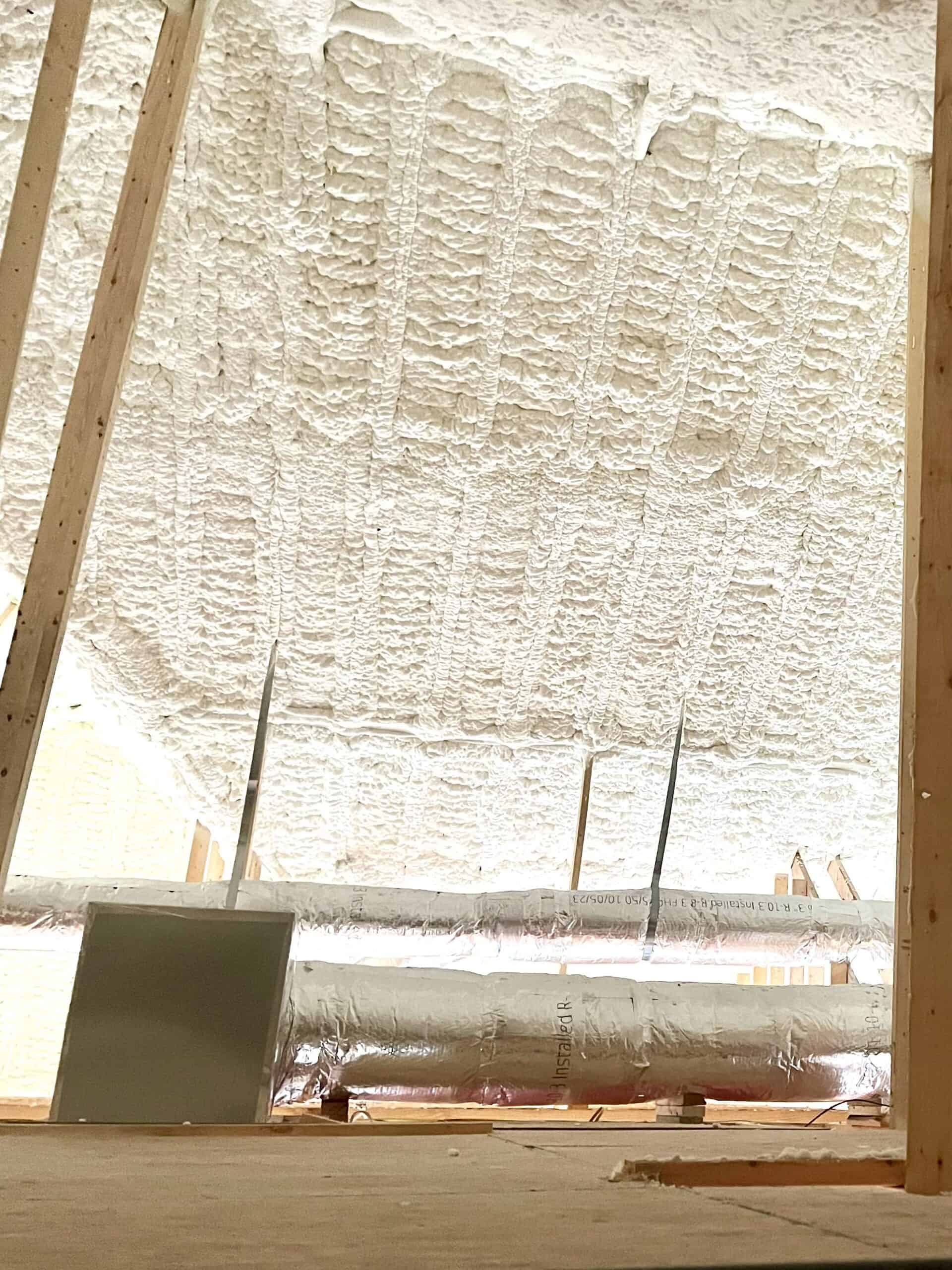
Attic insulation does not have one fixed expiration date. In many homes, it stays useful for decades, but its real service life depends on the material, installation quality, moisture, pests, settling, and attic conditions. Houston adds heavy summer heat and humid weather to that list. Homeowners looking into attic insulation in Houston TX often ask if old insulation must be removed or if a top-off is enough.
Age alone does not answer that. Dry, clean insulation may still have value, while wet, contaminated, compressed, or badly settled material may need replacement. The sections below focus on warning signs, material differences, local conditions, and cost-related choices.
How Long Does Attic Insulation Usually Last?
Typical Service Life by Insulation Material
Attic insulation can stay useful for decades, but the service life varies by material. Fiberglass insulation often lasts 30 years or more if it stays dry and undisturbed. Some fiberglass products can remain effective much longer. Cellulose insulation may perform well for about 20 to 30 years.
It can settle over time, which may reduce its depth and thermal resistance. Spray foam can last several decades because it bonds to the surface where it is applied. Its performance still depends on proper installation and dry conditions.
Material type is only part of the answer. Water leaks, pest activity, foot traffic, and poor installation can shorten useful life. Insulation that has compressed or shifted may also leave parts of the attic with weak coverage. A visual check can show if the material still covers the attic floor evenly and has enough depth to perform as intended.
Why Condition Matters More Than a Calendar Date
Age alone does not tell you if attic insulation needs replacement. A 25 year old layer may still work well if it remains dry, clean, and evenly spread. A much newer installation can lose value sooner after a roof leak, pest problem, or heavy compression. This is why the physical condition of the insulation matters more than the date it was installed.
Homeowners should look for signs such as bare spots, flattened material, moisture stains, strong odors, or animal waste. Uneven indoor temperatures and rising cooling costs can also point to weak attic performance, though other home issues may cause those problems too.
The main question is not simply, “How old is the insulation?” A better question is, “Is it still doing its job?” Checking depth, coverage, moisture, and contamination gives a clearer answer. That approach can also help homeowners avoid removing insulation that still has useful life.
What Shortens the Life of Attic Insulation in Houston?
Moisture, Roof Leaks, Heat, and Humid Air
Houston has a hot and humid climate, which can put added stress on attic insulation. Moisture is one of the biggest threats. A roof leak can soak fiberglass or cellulose and reduce how well the material slows heat flow. Wet insulation can also sag, clump, or lose depth. If the source of the water is not fixed, the damage can spread across a larger area.
Humid air can also enter the attic through gaps around ceiling lights, pipes, attic doors, and other openings. Over time, repeated moisture exposure can affect insulation and nearby building materials. Heat adds another challenge.
Houston attics can become very hot during summer, so weak or damaged insulation may struggle to limit heat transfer into the living space. Keeping the roof dry, sealing air leaks, and checking attic conditions can help protect the insulation from early decline.
Pests, Compression, Foot Traffic, and Settling
Pests can shorten the useful life of attic insulation. Rodents may tunnel through loose material, move it away from certain areas, and leave waste behind. Insects can also enter through gaps in the roof or walls. Heavy pest activity may leave parts of the attic with poor coverage or contamination that requires removal.
Compression is another common problem. Fiberglass works best when it keeps its proper thickness. Boxes, stored items, boards, or workers stepping on the material can flatten it. This reduces the air spaces that help slow heat transfer. Loose fill insulation can also settle over time.
Some settling is normal, but too much can lower the depth and reduce performance. Foot traffic may create thin paths around ducts, wiring, or attic equipment. Checking for low spots, bare areas, and disturbed material can show where added insulation or repairs may be needed.
What Are the Signs Attic Insulation Needs Replacement?
High Cooling Bills, Hot Rooms, and Uneven Temperatures
A sudden rise in cooling costs can point to weak attic insulation. The air conditioner may run longer because heat moves into the living space more easily. This can be more noticeable during hot Houston summers. Higher bills can also come from duct leaks, aging equipment, or thermostat problems, so insulation should not be blamed without checking the attic.
Hot rooms are another warning sign. Upper floors may feel warmer than lower areas when attic insulation is thin, compressed, or missing in spots. Uneven temperatures between rooms can also suggest poor coverage above certain parts of the home.
Homeowners may notice that one bedroom stays hot even while nearby rooms feel comfortable. These patterns often mean heat is entering through weak areas in the attic. A visual inspection can help show if the insulation depth and coverage still meet the needs of the home.
Wet Spots, Odors, Thin Coverage, and Pest Waste
Visible damage often gives a clearer sign that attic insulation may need replacement. Wet spots can form after roof leaks, plumbing leaks, or moisture problems. Damp insulation may clump, sag, or lose some of its ability to slow heat flow. A strong musty smell can also point to moisture in the attic or nearby building materials.
Thin coverage is another sign to watch. Loose fill insulation can settle over time or get moved by foot traffic, repairs, or pests. Bare areas may leave parts of the ceiling with little protection from attic heat. Pest waste can create another serious problem. Rodents may leave droppings, urine, nesting material, or damaged insulation behind.
Contaminated material may need to be removed instead of covered with new insulation. Homeowners should look for staining, unusual odors, low spots, and disturbed areas. These signs can help show if repair, added material, or full replacement is the better option.
Should Old Attic Insulation Be Removed or Topped Off?
When a Top Off May Be the Better Choice
Adding new insulation over existing material can be a good option when the old layer is dry, clean, and free from pest waste. The existing insulation should also be in fair condition without signs of mold, major water damage, or strong odors. In these cases, adding more material can increase insulation depth and improve thermal resistance without removing material that still works.
Before adding insulation, the attic should be checked for air leaks and blocked vents. Gaps around pipes, wiring, ceiling openings, and attic access points can allow conditioned air to escape. These leaks should be sealed before more insulation goes in. Existing material may also need to be leveled if it has shifted or settled unevenly. A top off often requires less labor than full removal and can be practical when the main problem is low insulation depth rather than contamination or damage.
When Full Removal Makes More Sense
Full removal may be needed when old attic insulation has serious damage or contamination. Water soaked material is one example. A roof or plumbing leak can leave insulation wet, compressed, or stained. The leak should be repaired before new material goes into the attic. Removing damaged insulation also gives workers access to the attic floor so hidden moisture or air leaks can be found.
Pest contamination is another common reason for removal. Rodents may leave urine, droppings, nesting material, and damaged insulation behind. Covering contaminated material with a fresh layer does not fix the underlying problem. Strong odors, mold growth, fire damage, and widespread dirt can also support a removal decision.
Full removal can also help during major attic repairs. It gives clear access to wiring, ceiling penetrations, ducts, and other areas that may need work. The right choice depends on the condition of the existing insulation and the problems found during an attic inspection.
What Should Houston Homeowners Check Before Paying for New Insulation?
Air Sealing, Vent Baffles, Attic Airflow, and Duct Leaks
New insulation works best when other attic problems are handled first. Air leaks can let cooled indoor air enter the attic through gaps around pipes, wiring, ceiling lights, and attic access openings. Sealing these gaps can reduce unwanted air movement before more insulation is added.
Vent baffles also deserve attention. They help keep insulation away from soffit vents so outside air can move through a vented attic. Blocked vents may limit airflow and create moisture problems. Ducts should also be checked for loose joints, damaged sections, or poor insulation. Leaky ducts can waste cooled air inside a hot attic and make some rooms harder to cool.
Homeowners should ask for these areas to be checked before approving the work. Adding insulation alone may not solve comfort problems if air leaks, blocked vents, or damaged ducts remain.
R Value Target, Material Choice, Cost, and Quote Scope
The right R Value depends on the attic, the amount of insulation already present, and the type of material used. R Value measures resistance to heat flow. A higher number means greater resistance. Houston falls within a warm climate zone, so attic insulation should match the needs of that climate and the home itself. ENERGY STAR lists different attic recommendations based on climate zone and existing insulation levels.
Material choice also affects price, installation method, depth, and future maintenance. Fiberglass, cellulose, and spray foam have different properties and costs. A written quote should clearly state the material, target R Value, planned depth, attic area, removal work, air sealing, and labor charges. It should also list any extra work that may affect the final price. Clear details make it easier to compare bids and understand what each contractor plans to provide.
Frequently Asked Questions
How Often Should Attic Insulation Be Replaced?
Attic insulation does not need replacement on a fixed schedule. Replace it when moisture, pests, compression, settling, or poor coverage reduces its performance.
Can I Add New Insulation Over Old Attic Insulation?
Yes. New insulation can often go over old material if the existing layer is dry, clean, and free from pest waste. Air leaks and moisture problems should be fixed first.
Does Wet Attic Insulation Need to Be Replaced?
Wet insulation may need removal if moisture has damaged the material or caused contamination. The water source should be repaired before new insulation is installed.
What R Value Should an Attic Have in Houston, Texas?
Houston is in IECC Climate Zone 2. ENERGY STAR lists R 49 for an uninsulated attic and R 38 when about 3 to 4 inches of insulation is already present.
Choose First Defense Insulation for Your Attic Project
Old attic insulation can still have useful life if it remains dry, clean, evenly distributed, and able to meet the home’s thermal needs. Replacement makes more sense after water damage, pest contamination, major settling, or poor coverage that leaves hot rooms and rising cooling costs. A site review can also show if air leaks, blocked vents, or damaged ducts are part of the problem.
First Defense Insulation serves Houston homeowners who want a clear scope for attic work based on current conditions, not age alone. A good quote should state the material, target R-value, removal needs, air-sealing work, and any attic preparation. For a local quote, go to https://fdinsulation.com/. You can also visit us at 12 Greenway Plaza, Suite 1147, Houston, Texas 77046, or call 713-808-9853 for attic insulation service.