
Cold months often bring a shock to the mailbox. Gas bills rise fast. Many homeowners feel confused and frustrated. The heater runs longer. Nights feel colder. Small gaps in the home start to matter more. The floors feel chilly. Warm air slips away without notice. One common source sits below the home.
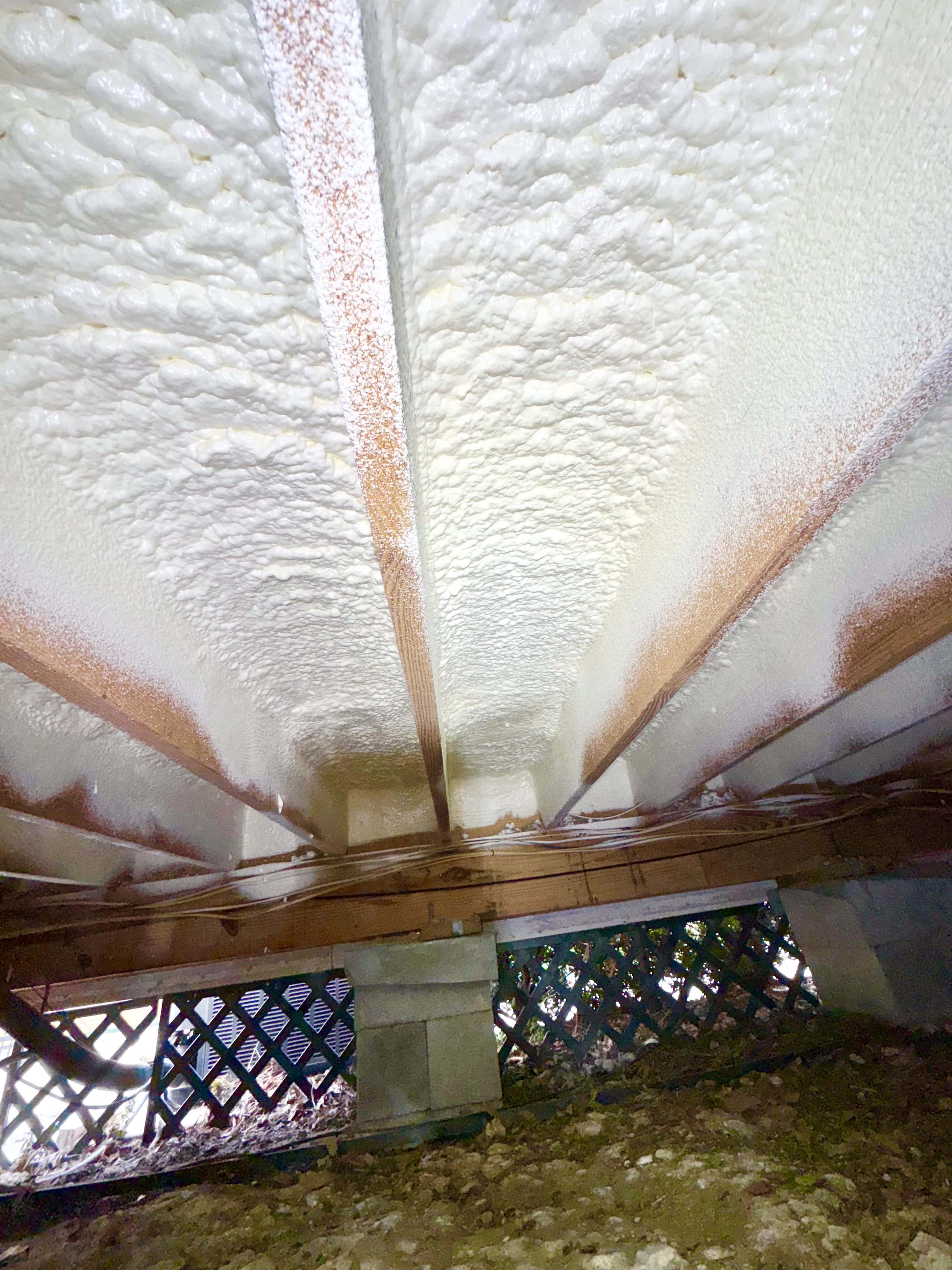
Poor sealing under the house allows heat loss. That loss forces the system to work harder. Many homeowners in the area look into crawl space insulation in Houston Texas to control rising costs. This upgrade helps steady indoor comfort. It also limits wasted fuel. A well-sealed home responds better to winter demand.
Cold Air Leaks Inside the Home
Gaps around doors and windows
Small gaps around doors and windows allow cold air to slip inside during winter. These openings often form as homes age. Frames shift. Seals wear down. Weather stripping cracks. Even tiny spaces create steady drafts. Cold air enters. Warm air escapes. The heating system reacts by running longer. This raises gas use fast. Many homeowners notice cold spots near entryways.
Rooms near windows feel harder to warm. Curtains move slightly from air pressure changes. Floors near doors feel cooler. These signs point to air leaks. Caulking and sealing help slow the problem. Proper fitting doors matter. Tight window seals matter too. Stopping these leaks helps indoor temperatures stay stable. It also helps lower heating demand during colder months.
Air flow from crawl spaces and floors
Cold air often enters the home from below. Crawl spaces sit close to the ground. Soil holds cold during winter. Gaps in the flooring allow that cold air to rise. Vents without proper sealing allow steady airflow upward. This makes floors feel cold underfoot. Living spaces above feel uneven. Warm air rises and escapes through the ceiling. Cold air replaces it from below.
The heating system works harder to keep up. Gas use climbs as a result. Many homes lack proper barriers under the floor. Moist air can also move upward and cool the space faster. Sealing crawl spaces limits this airflow. Insulation under floors helps block cold transfer. These steps help keep warmth inside the living space.
Heating Systems Work Overtime
Older furnaces burn more gas
Older furnaces often use more gas during the winter months. Parts wear down over time. Burners lose efficiency. Heat exchangers struggle to transfer warmth evenly. The system stays on longer to reach the same indoor temperature. That extra run time drives gas use higher. Older units also lack modern controls. They cycle on and off more often. This wastes fuel.
Homes feel warm near vents but cold in other rooms. The thermostat keeps calling for heat. Gas keeps flowing. In colder weather, these systems cannot keep up without burning more fuel. Maintenance helps, but age still limits performance. Replacement parts cost more as units age. Gas bills reflect that steady strain.
Poor airflow strains the system
Airflow problems force heating systems to work harder than needed. Dust builds up inside ducts. Vents get blocked by furniture or rugs. Return air paths stay restricted. Warm air cannot move freely through the home. The system keeps running to push heat where it cannot easily go. This raises gas use fast. Uneven airflow also causes hot and cold spots.
Some rooms overheat. Others stay chilly. The thermostat reads the colder area and signals more heat. The furnace responds by burning more gas. Poor airflow also raises internal pressure. Components wear out sooner. Fans strain under the load. All of this adds to higher winter gas bills.
Insulation Levels Fall Short
Thin attic insulation loses heat
Many homes lose heat through the attic during the winter months. Warm air rises. It moves upward and escapes through the roof area. Thin attic insulation cannot slow that movement. Heat slips out fast. The heater keeps running to replace lost warmth. This raises gas use. Older homes often have uneven insulation depth. Some areas lack coverage. Small gaps create steady heat loss.
Cold air also sinks down from above. Rooms feel colder even with the heater on. Homeowners may raise the thermostat. That action increases gas use even more. Proper attic insulation helps trap warm air inside living spaces. It supports steady indoor temperatures during colder periods.
Bare crawl spaces pull warmth away
Crawl spaces sit below the home. Many remain bare or poorly insulated. Cold air enters through vents and open soil areas. That cold air moves upward into floors. Floors feel cold to the touch. Rooms lose warmth from below. Heating systems work harder to offset that loss. Gas use rises as a result.
Moist air from the ground can also cool the space. This worsens heat loss. Homes in humid regions face this issue more often. Insulating crawl spaces helps block cold air flow. It also helps control moisture movement. Sealed crawl spaces support warmer floors. Indoor comfort improves. Gas bills often drop once heat loss from below stops.
Thermostat Habits Raise Costs
High temperature settings all day
Keeping the thermostat set high all day pushes gas use higher during winter. The heating system runs longer than needed. It works even when no one is home. Warm air builds up fast, then escapes through weak points in the house. That loss forces the system to cycle again. Many people turn the dial up for quick warmth.
That habit backfires. Short bursts of high heat burn more fuel than steady control. Living areas may feel warm, yet floors stay cold. This leads to more adjustments. Each adjustment adds strain. Over time, the gas bill reflects that pattern. A stable setting during active hours helps control use and keeps comfort steady.
Nighttime heat left unchanged
Leaving the same heat level overnight adds a hidden cost. Most homes need less heat during sleep hours. Blankets help. Body heat builds under covers. When the thermostat stays high, the system runs while demand stays low. That wasted output escapes through walls, floors, and crawl spaces. Cold outdoor air increases the gap between indoor and outdoor temperatures. That gap speeds heat loss.
The system responds by firing up again. Many homeowners never notice this cycle. The bill shows it later. Lowering the thermostat at night reduces run time. Rooms stay comfortable. Gas use drops. Small nighttime changes often lead to noticeable savings by the end of winter.
Outdoor Temperatures Drop Fast
Long cold snaps increase usage
Cold snaps stretch heating demand over many days. The furnace runs early in the morning. It runs late at night too. Short breaks disappear. Walls and floors never warm fully. The system keeps pushing heat to catch up. Gas use climbs with each hour of steady operation. Homes with weak insulation feel this first. Indoor air cools fast after the heater shuts off.
That triggers more cycles. Each cycle burns fuel. Weather patterns in colder months often hold steady instead of shifting daily. That steady cold drains energy faster than brief chills. Even mild homes feel the strain after several days of low temperatures. Bills rise before homeowners expect them.
Wind chill affects home pressure
Wind changes how a house behaves. Strong gusts press against walls and roofs. That pressure forces cold air inside through small openings. At the same time, warm air escapes through other paths. This push and pull alters indoor balance. Floors cool down. Drafts move across rooms. The heater reacts by turning on more often.
Wind chill also lowers surface temperatures on siding and foundations. That makes heat transfer faster. Homes with open crawl spaces feel this effect clearly. Air moves under the floor and pulls warmth away. Even with steady thermostat settings, gas use rises because the structure loses heat faster under windy conditions.
Lower Winter Gas Bills with Proven Insulation Work from First Defense Insulation
Rising winter gas bills often trace back to heat loss under the home. Cold air enters through exposed areas. Warm air escapes just as fast. This cycle forces heating systems to burn more fuel. Floors stay cold. Rooms feel uneven. Proper insulation changes that pattern. It holds warmth where it belongs.
First Defense Insulation focuses on sealing crawl spaces to reduce drafts and wasted energy. This work supports steady indoor temperatures during colder months. It also helps reduce monthly gas charges. Homeowners notice improved comfort soon after installation. Visit us at 12 Greenway Plaza, Suite 1147, Houston, Texas 77046, or call 713-808-9853 for crawl space insulation support.