
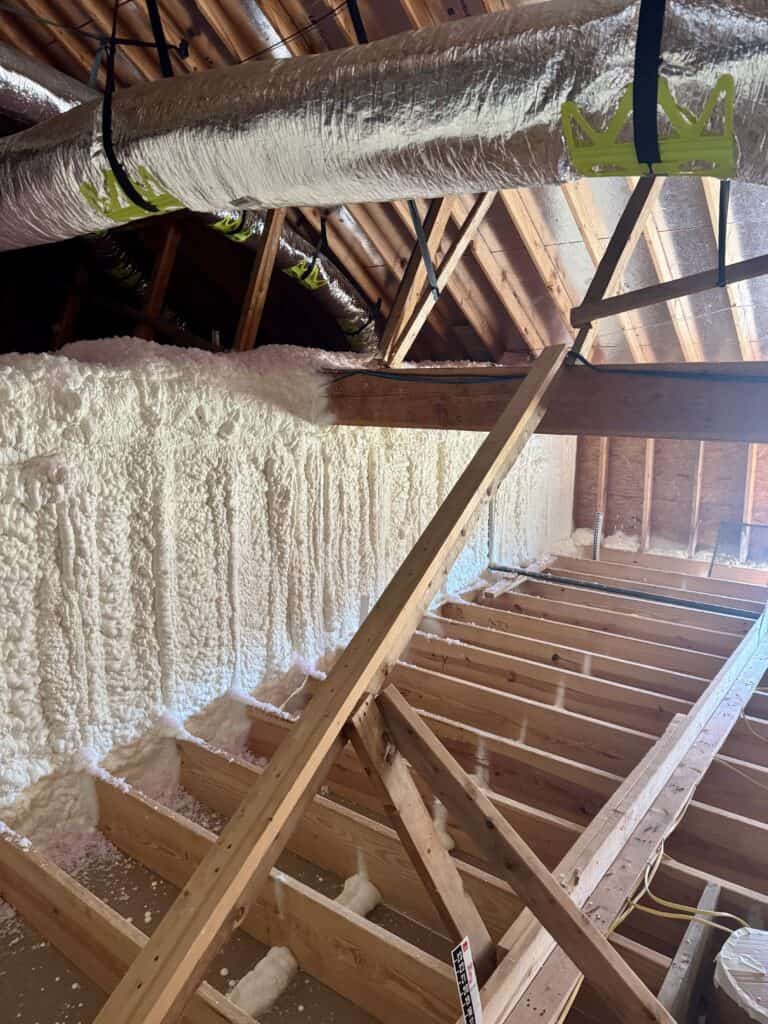
Adding insulation to your attic helps maintain a comfortable home temperature and lowers energy costs. The time needed for installation depends on several factors, including attic size, insulation type, and the efficiency of the installation crew. A professional attic insulation contractor in Houston can help you select the best insulation for your home. Different insulation methods, such as spray foam or batt insulation, also affect how long the job will take. Each option has its own installation time, so it’s important to understand how these variables influence the overall process.
Factors That Affect Installation Time
Size of the Attic
The size of your attic plays a big role in how long it takes to install insulation. Larger attics require more insulation and more time to install. If the attic is small, it’s usually quicker to finish the job. A bigger space means more work for the crew, and this can extend the installation time. The larger the attic, the more materials and labor are needed. For example, a typical home attic might take one or two days, but a large attic in a multi-story house can take longer. The time also depends on how much insulation is needed to fill the space.
Complexity of the Attic Layout
The layout of your attic can make the installation process more complicated. If the attic has many nooks, crannies, or tight spaces, the team will need more time to insulate all areas properly. A straightforward attic with wide, open spaces will be easier and faster to insulate. In contrast, attics with obstructions, like beams or ducts, can slow the process down. Workers have to work around these obstacles, which increases the time needed for installation. A complicated layout might even require extra time for safety checks to confirm the installation is done properly.
Types of Insulation Materials and Their Impact
Spray Foam Insulation
Spray foam insulation is one of the most effective materials for attic insulation. It is applied as a liquid and expands to fill gaps and cracks. This helps create a tight seal, reducing air leaks. The foam also has a high R-value, which means it is good at keeping heat in during the winter and out during the summer. Spray foam is often used in attics with many hard-to-reach areas or complex layouts. It provides long-term performance and helps improve energy efficiency. However, it tends to be more expensive than other materials. The installation process also takes longer, but the benefits are worth it for many homeowners.
Batt and Blown-In Insulation
Batt and blown-in insulation are two other common materials used in attics. Batt insulation comes in large, pre-cut pieces that fit between the attic’s beams. It is easy to install, especially in spaces with few obstacles. Blown-in insulation, on the other hand, is made of loose fibers that are blown into the attic using a machine. This type of insulation is ideal for attics with difficult layouts, as it fills every gap and space. Both materials are cost-effective options, but they do not offer the same level of airtight seal as spray foam. However, they still provide good thermal resistance and help keep energy bills down.
Hiring a Professional vs. DIY Installation
Pros of Professional Installation
Hiring a professional for attic insulation offers several benefits. First, they have the experience and tools to complete the job quickly and correctly. Professionals know how to handle difficult spaces and choose the best materials for your attic. They also follow safety standards to prevent accidents. Hiring a pro can save time and avoid mistakes that might happen during a DIY project. Professionals also provide warranties on their work, which gives peace of mind. If anything goes wrong after installation, you can have it fixed at no extra cost. Overall, hiring a professional can lead to better results and fewer worries.
Challenges of DIY Installation
While installing insulation yourself can save money, it comes with challenges. First, without the right tools, it’s difficult to achieve a proper seal, which reduces the insulation’s effectiveness. DIY installations often take longer because you need time to learn the process and manage obstacles. Attics can be tricky to navigate, with tight spaces and hard-to-reach areas that require extra attention. In addition, improper installation can lead to problems, such as air leaks or moisture buildup. These issues might cause your energy bills to rise. DIY projects also lack a warranty, leaving you with added costs if something goes wrong.
How to Prepare Your Attic for Insulation
Clearing the Space
Before installing insulation, it’s important to clear the attic space. Remove any stored items that could block the installation process. This includes boxes, furniture, or old appliances. You also want to clear pathways to allow the workers to move around easily. If there are large obstructions like old ductwork or large pipes, it may be necessary to remove or reposition them to allow for better coverage. Clearing the space makes the installation process faster and safer. It also helps the crew work more efficiently, which can reduce installation time.
Keeping Your Attic Well-Ventilated
Proper ventilation is key to effective attic insulation. Without it, moisture can build up in your attic, leading to mold growth or wood rot. Before installing insulation, check the attic’s vents and confirm they are clear. Check that intake and exhaust vents are not blocked. If you have ridge vents or soffit vents, confirm they are in good working condition. Proper airflow helps the insulation work better by keeping the attic dry. Without proper ventilation, even the best insulation won’t perform well, and you might face future issues like moisture damage.
Post-Installation Considerations
Inspection and Testing
After insulation is installed, it’s important to inspect and test the results. The goal is to check that the insulation was installed correctly and covers all necessary areas. Look for gaps or areas where insulation might have shifted. Inspect the seals around vents and ducts to make sure there are no air leaks. You can test the effectiveness of the insulation by checking the temperature in your attic and comparing it to the rest of your home. If it’s too hot or too cold, it might indicate that the insulation isn’t performing as well as it should. An inspection will help you find any issues early.
Maintaining the Longevity of Insulation
Proper maintenance is important to keep your attic insulation working well over time. Regularly check the attic for any signs of moisture or pests, as these can damage the insulation. If you find any wet spots, the insulation may need to be replaced. Be sure that ventilation stays clear and functional, as blocked vents can lead to moisture problems. If there are any noticeable gaps in the insulation, repair them quickly to maintain your home’s energy efficiency. Keeping your insulation in good condition will help it last longer and perform better, saving you money on energy bills.
Get Your Attic Insulated by First Defense Insulation
Attic insulation makes your home more comfortable by keeping temperatures stable and reducing energy costs. Insulating your attic improves your home’s efficiency, cutting down on energy waste. If you need reliable, fast insulation services, we’re here to help. First Defense Insulation offers professional installation that meets your needs and fits your home’s specific requirements. Our team handles the job efficiently, using the best materials for the job. Visit us at 12 Greenway Plaza, Suite 1147, Houston, Texas 77046, or call 713-808-9853 for a consultation. We’ll get your attic insulated and your home running more efficiently in no time!