
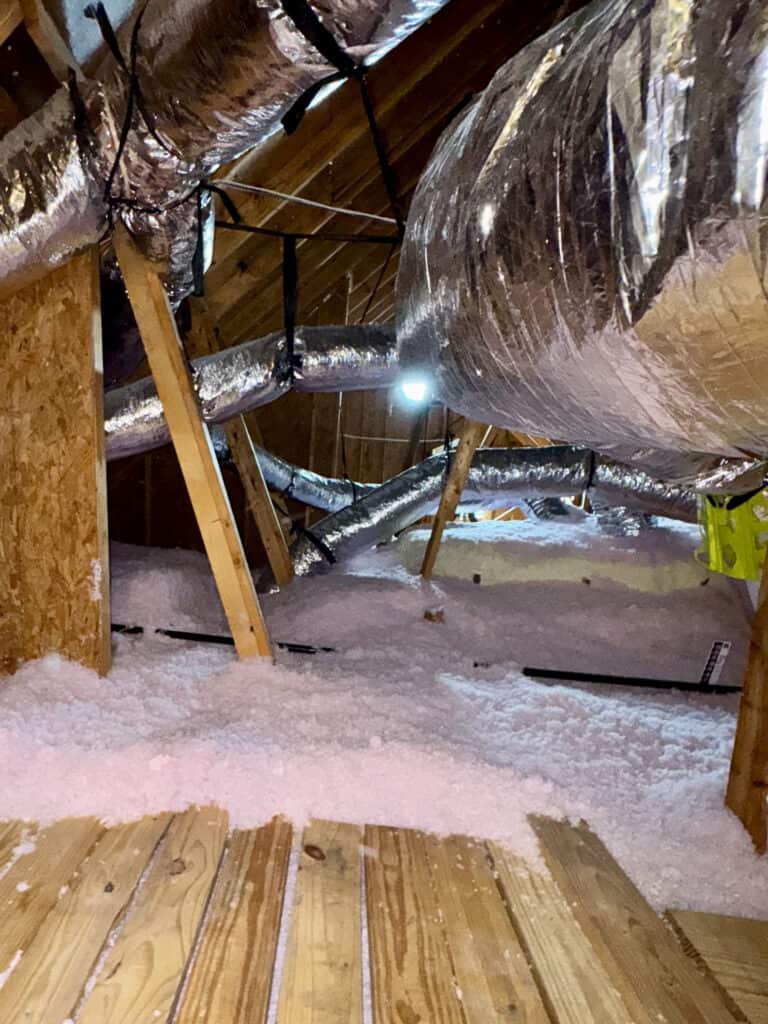
Your attic plays a big role in indoor comfort, energy use, and roof health. The right insulation helps slow heat flow, reduce drafts, and keep rooms more stable. Many homeowners compare blown insulation with rolled batts because both can work well in attics. The better choice depends on attic shape, access, budget, and current insulation gaps. Blown material fills odd spaces and corners. Rolled batts offer neat coverage in open, easy-to-reach areas. For help with attic insulation in Houston TX, homeowners want clear facts before planning their project. A choice starts with attic needs, not guesswork.
Blown Attic Insulation Basics
How Loose Fill Covers Gaps
Loose fill insulation uses small pieces of fiberglass or cellulose. A crew blows it across the attic floor with a machine and a hose. The material spreads into small spaces that rolled batts may miss. It can cover around wires, pipes, vents, framing, and uneven joist areas. This helps create a more even layer across the attic. Even coverage matters because gaps let heat move through the ceiling. Loose fill does not seal air leaks by itself. Air sealing should happen before the crew adds insulation. That means sealing holes around light boxes, plumbing cuts, and wall tops. Once those leaks get sealed, blown material can perform better. It works well because it settles around odd shapes instead of needing exact cuts.
Best Attic Setups for Blown Material
Blown material fits many attics with tight access and many obstacles. It works well in older homes with uneven framing or mixed insulation levels. It also helps in attics with low slopes near the edges. Those spots can feel hard to reach with rolled batts. Loose fill can spread into those areas with less cutting and moving. It also suits attics that already have old insulation, as long as the old material stays dry and safe. A crew can add blown insulation over existing material to raise the total R value. The attic still needs clear vents, safe wiring, and proper air sealing first. Blown insulation can also suit larger attic floors because the machine places material faster than hand placed batts.
Rolled Attic Insulation Basics
How Batts Fit Open Joist Bays
Rolled attic insulation comes in long blankets called batts or rolls. Installers place them between attic joists on the attic floor. The best fit happens when the joist bays are open, straight, and easy to reach. Each batt needs full contact with the surface below it. Gaps can lower performance because heat can move around the material. Batts also need careful cuts around pipes, wires, and framing. A tight fit matters, but the material should not get packed down. Compressed batts lose some insulation value. Many rolls come in set widths for common framing spaces. That can speed up the job in a clean attic. Rolled insulation works best when each piece sits flat and fills the full cavity.
Best Attic Setups for Rolled Batts
Rolled batts work well in attics with wide access and few obstacles. They suit open attic floors where joists run in straight lines. Newer homes with clean framing can be a good match. So can attic areas above garages, storage zones, or simple room layouts. The installer can unroll the material, cut it to length, and place it with care. Rolled batts also help when a homeowner wants clear sections for future service work. The material stays in defined strips, so workers can lift a piece and put it back. Batts need dry conditions and safe wiring clearance. They also need open vents near the roof edge. Air sealing should come first, since batts do not stop air leaks by themselves.
Performance Differences That Affect Comfort
Coverage Around Pipes, Wires, and Corners
Attics often have pipes, wires, light boxes, braces, and tight corners. These areas can affect how well insulation works. Blown insulation usually covers these spots with less cutting. The loose material settles around small shapes and fills narrow spaces. This can help reduce thin areas across the attic floor. Rolled batts need more careful fitting in the same spots. Each piece may need cuts around wires, pipes, and wood framing. A poor cut can leave open space. That space can let heat pass through faster. Batts also need full contact with the attic floor. Folded or lifted edges can weaken performance. Blown material can cover uneven areas better, but it still needs good prep. Air leaks should be sealed before any insulation goes in.
R Value, Air Gaps, and Heat Flow
R value measures how well insulation slows heat flow. A higher R value gives better resistance to heat movement. Both blown and rolled insulation can reach strong R values. The real difference often comes from fit and coverage. A batt with gaps may not perform like its rated value. Blown insulation can give steadier coverage over uneven attic spaces. It can also fill low spots more easily. Rolled batts can work well when they fit tightly and stay flat. Air gaps reduce comfort because warm air moves through open paths. In Houston, attic heat can build fast during long, hot months. Good insulation helps slow that heat before it reaches living spaces. The best result comes from the right depth, good air sealing, and clear attic ventilation.
Cost, Labor, and Project Time
Material Price and Tool Needs
Material cost can change based on attic size, insulation depth, and product type. Rolled batts often look simple at first because the material comes in ready to place rolls. A homeowner may only need a utility knife, ruler, gloves, mask, and protective clothing. That can help in small, open attic areas. Blown insulation usually needs a blowing machine and a hose. Many stores rent the machine with a large material order. The machine can add cost, but it can also speed up coverage. Blown material may need more bags than expected if the attic has low existing depth. Rolled batts may create waste from cuts around framing and vents. The best price depends on how much clean coverage the attic needs.
Installation Skill and Equipment Needs
Rolled batts need careful placement. Each piece must fit the joist bay without gaps, folds, or tight compression. The installer must cut around pipes, wires, boxes, and framing. Small mistakes can leave open spaces that reduce comfort. Blown insulation needs a different skill set. One person feeds material into the machine. Another person controls the hose in the attic. The crew must spread the material to the right depth across the full area. They also need to protect vents and keep material away from heat sources. Both types need air sealing before the insulation goes in. Attic work can feel hot, dusty, and tight. Good safety gear matters. Proper lighting, stable footing, and clear attic access help the work move faster.
Which Type Fits Your Attic Best
Attic Shape, Access, and Existing Insulation
Attic shape has a big effect on insulation choice. Blown insulation often works better in tight spaces, low roof edges, and areas with many pipes or wires. The hose can place material where hands may not reach well. Rolled batts work better in open spaces with straight joist bays. They need room for careful cutting and flat placement. Access also matters. A small attic hatch can make rolls harder to move. A larger opening can make batt placement easier. Existing insulation can also guide the choice. Dry, loose material may allow a new blown layer over it. Wet, dirty, or damaged material should come out first. A clean attic floor gives both options a better chance to work well.
Moisture, Ventilation, and Long Term Results
Moisture can harm both blown and rolled insulation. Wet material can lose performance and may support mold growth. Roof leaks, bath fans that vent into the attic, and blocked vents can all cause trouble. The attic should have good air flow before new insulation goes in. Soffit vents and roof vents help move warm, damp air out of the space. Vent baffles can keep insulation from blocking air paths near the roof edge. Blown insulation can shift if strong air moves through open gaps. Rolled batts can sag or compress if moisture stays in the attic. Long term results depend on dry conditions, good depth, and careful placement. A well prepared attic helps either material last and perform better.
Get Better Attic Comfort With First Defense Insulation
Blown and rolled attic insulation both have strong uses, but they solve different attic problems. Blown material works well in tight corners, uneven spaces, and attics with many wires or pipes. Rolled batts can suit open joist bays with clear access and fewer obstacles. Cost matters, but coverage often matters more. Small gaps can let heat move fast and make rooms feel uneven. A trained crew can check depth, air leaks, vents, moisture signs, and old material before work starts. First Defense Insulation helps Houston homeowners plan a cleaner attic upgrade with options that match the space and budget. For help with a better attic, visit us at 12 Greenway Plaza, Suite 1147, Houston, Texas 77046, or call 713-808-9853 for attic insulation service.